
Playboi Carti ‘Whole Lotta Red’
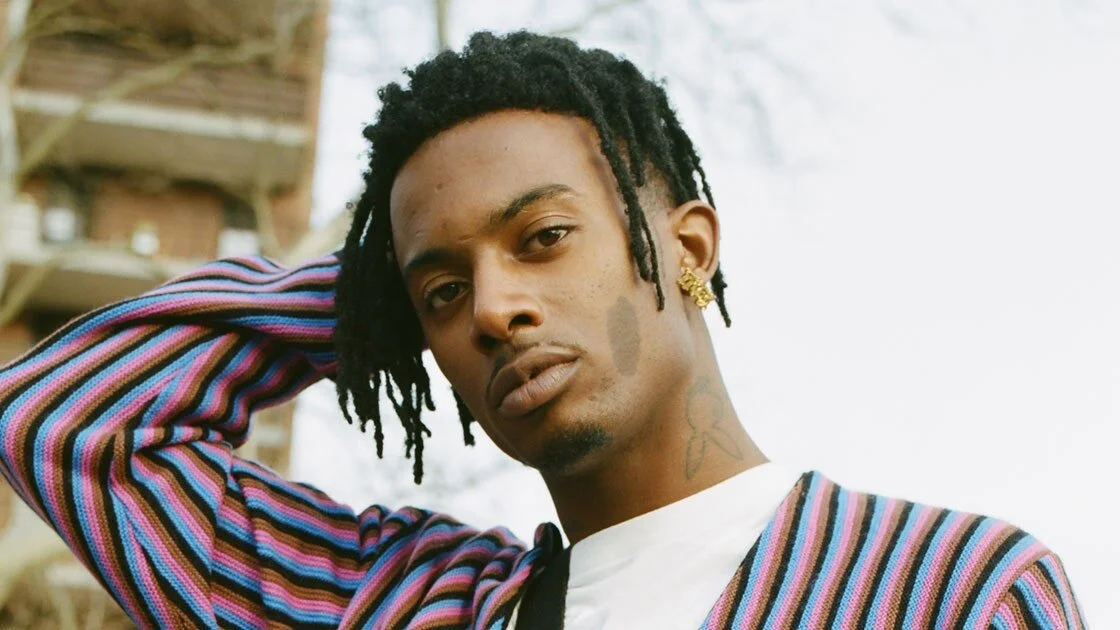
If you’re a fan of Jordan Carter, better known as Playboi Carti, you have waited a long, long, long, LONG time for his second studio album, Whole Lotta Red. After almost two years in the making, it finally dropped... on Christmas for that matter – Carti’s personal gift to his fans.
Carti announced the album’s artwork and release date just four days prior, on December 21st, sending his fans into a frenzy.
Carti said, “I’m ready. I’m more ready than yall. I’m trying to prove to these folks that I can rap. I got bars. That’s what Whole Lotta Red is about.”
He went into this project looking to break out of his box as a mumble rapper and prove himself as a legitimately talented artist. However, upon its release, Whole Lotta Red was met with extremely mixed reviews from Carti’s die hard fanbase.
#WholeLottaTrash and #WholeLottaSkips were quickly trending on Twitter. At a length of 24 tracks, many on social media believed that the second half of the album was much better than the first. Others believed that the record was being overhated for Twitter likes.
Personally, as someone who is not a huge fan of Carti, it was pretty much what I expected. There were a ton of repetitive lyrics yelled over aggressive trap beats and Twitter was pretty accurate about the second half being significantly better than the first; through the first ten cuts, “Beno!” is the only one I don’t routinely skip.
That being said, tracks 16 through 24 are all solid and enjoyable to listen to, especially “Place,” “Sky,” “ILoveUIHateU,” and “F33l Lik3 Dyin.”
As a whole, the album has a very punk-rock feel to it, which Carti introduces in the first track, “Rockstar Made.” The album art even pays homage to the 1970’s Slash Magazine.
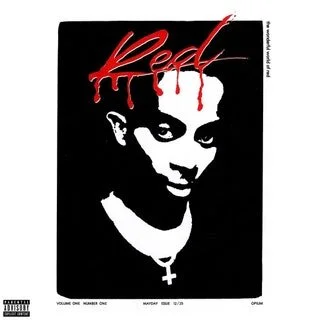
Playboi Carti’s Whole Lotta Red album art
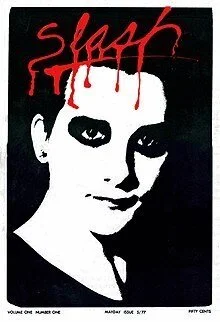
Slash Magazine cover
One redeeming factor of the album is the production. Much of the album production credit goes to producers like Maaly Raw, Pi’erre Bourne, F1lthy, Art Dealer and Outtatown. Pi’erre has been a long time collaborator of Carti’s, doing much of the production on his previous album Die Lit.
The instrumentals are super creative and innovative. On “Vamp Anthem,” producer Jasper Harris flips composer Bach’s 1704 “Toccata and Fugue in D Minor,” an organ oriented piece commonly used in horror movies.
All in all, I was thoroughly unimpressed with the record. Taking into account the truly massive hype that surrounded this two-years-in-the-making project, I would consider it quite a let down. 24 tracks is lengthy, and frankly, if the album just consisted of songs 16 through 24, plus a select few from the first half, I might have a different opinion.
But, again, I’m not a huge Carti fan; his long-time supporters might tell you differently.
Rating: 5/10
Give it a listen below:
Written by Sam Kalchbrenner, Edited by Emma Barsky