
Lyrical Dissonance
It’s easy to sip in the frothy layer of happy beats that sits on top of our favorite high energy songs. Keep drinking, though, and you may find that under that sweet layer is a bitter undercurrent that’s hard to swallow.
Behind some of the songs that make us bop our heads the hardest, lie subtle nuances of pain, sadness, and anger...so subtle, in fact, that you may not even notice.

When conceptualizing what a typical sad song might sounds like, you may find yourself thinking of artists such as the Smiths, The Cure, Bon Iver, or other well-known wizards of woe.
The music produced by these artists typically follow the pattern of mournful, minor key songs that are unmistakably sad and slow.
However, there are artists out there that play on a concept rooted in the art of irony known as lyrical dissonance.
Lyrical dissonance can be seen in songs with subject material that is at odds with the beat and tone of the music it’s set to. It functions as a poetic technique and can be found throughout various genres.
Take the indietronica group Passion Pit for example. Famed for fun synths and sounds that make you want to dance, the lyrics behind some of their most popular songs are the antithesis of their beat.
“Take a Walk”, the most popular song produced by the band to date, tells the story of a downfall stemming from social and societal pressures. While the song itself is bound to make you bop around, the story being told may illicit the opposite effect.
When Michael Angelakos, the front man of Passion Pit, was asked in an MTV interview what the songs on album Gossamer represented, he responded with an eye-opening rawness about the album's reality.
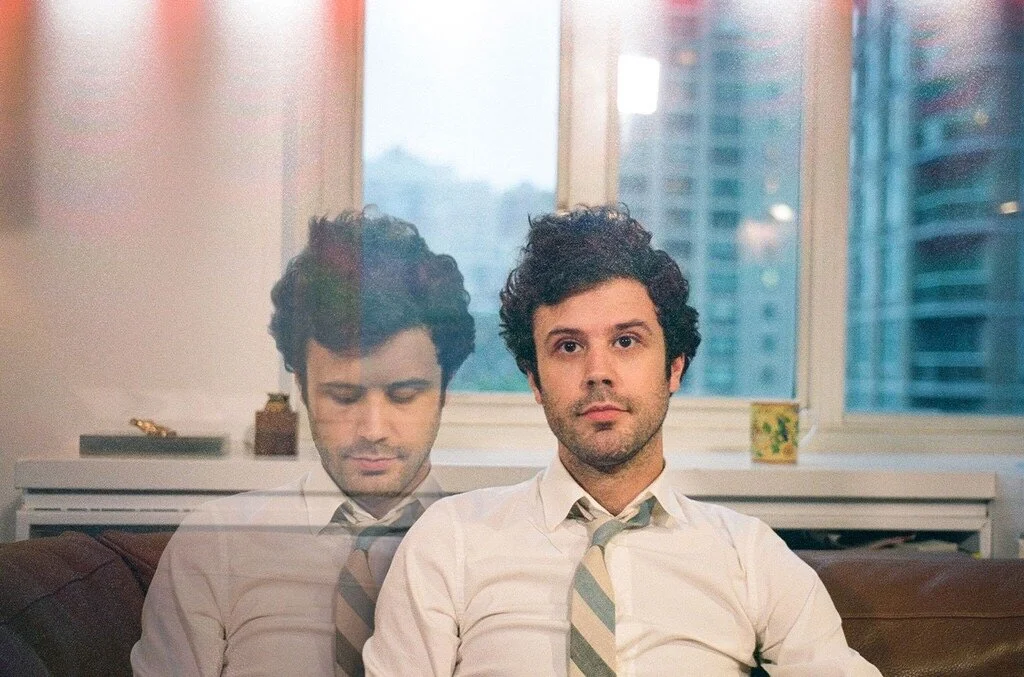
Angelakos photographed by Jean Claude Billmaier
“Everything on this album is real. It happened to me. I’m the one who makes messes, and others clean them up. The guilt and pain I have felt is evident throughout this album. It’s about the stress, the anxiety, and all of the sadness that comes from external pressures.”
For people that are fans of artists like 21 Savage, you may be surprised at the situations his songs allude to. Have you ever been at a bar and heard the song “a lot” ft. J.Cole come over the speakers? It's another song that makes you want to bounce, yet we’re exploring themes of death, loss, and the destruction that follows.
MGMT is another group notorious for the utilization of lyrical dissonance in their songs. The next time you’re rocking to indie group MGMT’s songs, such as popular “Time to Pretend”, “Kids”, or “One Thing Left to Try”, take a second to consider the words oozing out of vocalist Andrew VanWyngarden’s mouth.
As the artist, MGMT has the intention of making you think past their beats for a second. Consider the title track off 2018’s album Little Dark Age. While the song itself is something with a high enough BPM to cater towards a cardio workout, the narrative of the story is one that should be considered; a song that begs the question of, “can you confront the darkness of depression when it threatens to consume you?”
There are even songs from the brightest decades of music, like the eighties, that have dark lyrics in contrast to the synth-studded tracks that this era is known for. Even an energetic anthem like New Order’s “Bizzare Love Triangle” is a story of trial and tribulations in romance. It’s about the emotion, the longing, the unrequited love that is so painful that all you can do is freeze in its presence.
There are reasons that this technique exists in the musical realm and why these artists use it the way that they do.
Music is a poetic medium. While joy can be obtained from our favorite songs, most of the time we are being called to connect to what’s behind those shimmery hooks.
Written word and ear-pleasing sounds go hand in hand. Music is simply a poem in motion. Topics explored through these poems can revolve around (but are not limited to) the unglamorous, the hardships, the horrors of life.
Through ironic juxtapositions, the poetry of the music becomes layered. Less obvious. Something deeper and more multifaceted than some of the songs you only listen to at face value.
Talking about the topics that artists explore in their music isn’t easy. It’s something personal and often painful. By morphing that pain into audibly tangible art, the artist can manipulate the sound to complement the poetry of their lyrics in any way, shape, or form.
By intertwining difficult thoughts with glittering hooks, you’re left with an attractive sound that draws the listener in and then asks them to lean in a little deeper.
In a way, it’s a mental trap with a metaphorical release. Connect to it, and you’ll walk away with what the art was meant to do.
So the next time that you find yourself in the mood for a sad story, perhaps turn to the most upbeat artists you know. Whether it’s 21 Savage, MGMT, or other artists from a range of genres, the chances are you’ll run into this technique.
Don’t let it keep you from dancing, though. We couldn’t get through some of our worst moments without being able to, and maybe that’s the whole point.
Written by Jordan McGrew, Edited by Emma Barsky